

Incomplete vs. Complete Spinal Cord Injuries: How the Severity of Paralysis Can Affect a Baltimore Injury Claim
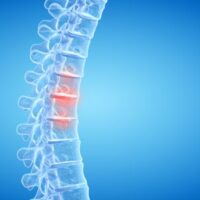
A spinal cord injury can change a person’s life in ways that are difficult to anticipate, particularly when paralysis affects their ability to work, move independently, or manage everyday activities. While some people retain limited movement or sensation, others experience extensive paralysis that requires lifelong assistance. The distinction between a complete and incomplete spinal cord injury can influence recovery expectations, medical expenses, and the compensation available through a personal injury claim.
For individuals and families facing these challenges, understanding the severity of the injury is an important part of planning for the future. A Baltimore spinal cord injury lawyer can evaluate how the injury occurred, its long-term consequences, and the damages that may be recoverable under Maryland law.
What Is the Difference Between Complete and Incomplete Spinal Cord Injuries?
The spinal cord carries signals between the brain and the rest of the body, controlling movement, sensation, and essential bodily functions. When damaged, communication can be disrupted, resulting in paralysis, muscle weakness, chronic pain, or loss of bladder and bowel control.
A complete spinal cord injury involves the absence of preserved sensory and motor function in the lowest sacral segments of the spinal cord. Although some movement or sensation may remain in areas below the injury, complete injuries generally carry more limited prospects for neurological recovery.
An incomplete spinal cord injury occurs when some sensory or motor function remains in those sacral segments. The degree of impairment varies considerably. One person may retain movement in their legs but struggle with walking, while another may experience severe weakness and require a wheelchair despite having an incomplete injury.
Medical professionals use the American Spinal Injury Association Impairment Scale to classify neurological impairment. These assessments help establish the extent of functional loss and monitor changes during rehabilitation.
How the Location and Severity of Paralysis Affect Daily Life
The location of a spinal cord injury can be just as important as whether it is complete or incomplete. Injuries involving the cervical spine may cause tetraplegia, affecting both arms and legs. Damage lower in the spinal cord may result in paraplegia, primarily affecting the lower body.
Someone with a high cervical injury may require assistance with breathing, eating, bathing, and transferring between a bed and wheelchair. Another person with an incomplete thoracic injury may retain upper-body independence but experience significant difficulty standing, walking, or controlling bladder function.
These differences affect the amount of assistance a person needs, the medical equipment required, and whether returning to work is possible. Families may also need to modify their homes, arrange accessible transportation, or assume caregiving responsibilities that substantially change their routines.
Why an Incomplete Injury Can Still Be Catastrophic
An incomplete spinal cord injury does not necessarily mean a person will regain independence. Persistent weakness, muscle spasms, nerve pain, and impaired coordination can make ordinary activities exhausting or unsafe.
Even when rehabilitation improves mobility, an injured person may still be unable to resume physically demanding work or participate in activities they previously enjoyed. The ability to walk short distances does not eliminate the need for ongoing treatment, mobility aids, or assistance with daily responsibilities.
A claim should reflect the person’s actual functional abilities and long-term medical needs rather than relying solely on the injury’s classification.
How Spinal Cord Injury Severity Influences Compensation in Maryland
Compensation in a Baltimore spinal cord injury claim depends on how the injury occurred, the available evidence, and its financial and personal consequences. Complete paralysis may involve substantial lifetime care expenses, but an incomplete injury can also produce significant losses.
Economic damages may include hospitalization, surgery, rehabilitation, prescription medications, adaptive equipment, home modifications, lost income, and diminished future earning capacity. For someone requiring lifelong personal assistance, projected caregiving expenses may represent a substantial portion of the claim.
Maryland law also permits recovery of qualifying noneconomic damages, including pain, suffering, physical impairment, and loss of enjoyment of life. These damages are subject to statutory limits under Maryland Courts and Judicial Proceedings § 11-108 for covered personal injury claims and § 3-2A-09 for medical malpractice claims.
These limits apply to non-economic damages, not the full amount of compensation available for documented economic losses. The severity of paralysis can influence the evidence supporting damages, but it does not independently determine the value of a claim.
Why Medical Documentation and Future Care Planning Matter
A spinal cord injury claim requires more than an initial diagnosis. Medical records, neurological examinations, imaging studies, and rehabilitation assessments help establish the extent of damage and its progression.
A person’s condition may change during recovery, particularly after an incomplete injury. Improvements in strength or mobility can affect future care requirements, although meaningful limitations may remain. Accurate documentation helps distinguish temporary progress from lasting functional recovery.
Life care plans can identify anticipated medical treatment, assistive technology, personal care needs, and other expenses. Medical specialists, rehabilitation professionals, and vocational experts may provide evidence concerning whether an injured person can return to employment and what accommodations may be necessary.
How Medical Errors Can Affect the Severity of Spinal Cord Damage
Spinal cord injuries can occur or worsen during medical treatment when spinal cord tissue is damaged during surgery or pressure on the cord is not recognized and addressed promptly. Bleeding near the spinal cord can create dangerous compression, while surgical damage may result in new weakness, sensory loss, or paralysis.
Delayed diagnosis of spinal cord compression presents another concern. Progressive limb weakness, changes in sensation, or sudden loss of bladder control may indicate serious neurological deterioration. When appropriate evaluation or treatment is delayed, continued compression can contribute to permanent damage.
The timing of medical intervention can influence how much neurological function is preserved, although recovery depends on the underlying injury. In a malpractice claim, medical evidence may help determine whether negligent treatment caused additional paralysis or reduced the possibility of neurological recovery.
For someone left with complete paralysis, this may involve assessing whether earlier treatment could have preserved meaningful movement or sensation. For a person with an incomplete injury, the question may be whether additional weakness, lost mobility, or permanent functional limitations could have been avoided.
The distinction can affect both the medical evidence establishing negligence-related harm and the compensation sought for the resulting disability.
Speak With a Baltimore Spinal Cord Injury Lawyer
Living with a spinal cord injury often means facing difficult decisions about medical treatment, financial stability, and the support needed for years to come. Whether paralysis is complete or incomplete, the consequences deserve careful attention, particularly when another party’s negligence may have caused the injury.
At D’Amore Personal Injury Law, LLC, we understand how devastating spinal cord injuries can be for individuals and their families. Our firm represents people in Baltimore and throughout Maryland who have suffered serious injuries due to negligence, including medical malpractice. Contact D’Amore Personal Injury Law, LLC today to learn how we can help you pursue compensation that accounts for the full impact of your injury.
Sources:
- National Institute of Neurological Disorders and Stroke — Spinal Cord Injury
https://www.ninds.nih.gov/health-information/disorders/spinal-cord-injury - International Standards for Neurological Classification of Spinal Cord Injury — Revised 2019
https://pmc.ncbi.nlm.nih.gov/articles/PMC8152171/ - American Association of Neurological Surgeons — Spinal Cord Injury
https://www.aans.org/patients/conditions-treatments/spinal-cord-injury/ - American College of Surgeons — Best Practices Guidelines in Spine Injury
https://www.facs.org/media-center/press-releases/2022/spinal-injury-guidelines/ - Maryland Courts and Judicial Proceedings § 11-108 — Noneconomic Damages
https://mgaleg.maryland.gov/mgawebsite/Laws/StatuteText?article=gcj§ion=11-108 - Maryland Courts and Judicial Proceedings § 3-2A-09 — Medical Malpractice Noneconomic Damages
https://mgaleg.maryland.gov/mgawebsite/Laws/StatuteText?article=gcj§ion=3-2A-09