

When a Misdiagnosed Vascular Condition Leads to Wrongful Amputation in Baltimore
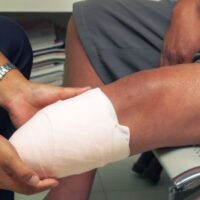
Losing a limb is a life-changing experience, but learning that an amputation might have been prevented with proper medical care can make the loss even more devastating. Patients who seek treatment for leg pain, numbness, or circulation problems trust their healthcare providers to recognize serious warning signs before permanent damage occurs. When a vascular condition is misdiagnosed or treatment is delayed, a potentially treatable problem can progress until amputation becomes necessary.
For patients and families facing this outcome, understanding whether medical negligence contributed to the injury is an important part of seeking answers. An experienced Baltimore catastrophic injury lawyer can evaluate whether failures in diagnosis or treatment led to an avoidable amputation and the lasting consequences that followed.
How Misdiagnosed Vascular Conditions Can Lead to Amputation
Vascular conditions affect the blood vessels responsible for delivering oxygen and nutrients throughout the body. When blood flow to an arm or leg becomes severely restricted, tissues can begin to deteriorate. Without timely intervention, prolonged oxygen deprivation may cause irreversible damage.
One particularly dangerous condition is acute limb ischemia, which occurs when arterial blood flow to a limb suddenly decreases. Blood clots, arterial blockages, and complications of peripheral artery disease can cause this emergency. Patients may experience sudden pain, pale or unusually cold skin, numbness, weakness, or a diminished pulse.
Acute limb ischemia requires emergency medical attention because the opportunity to restore circulation narrows as tissue damage progresses. A limb that could initially be saved through treatment may eventually sustain irreversible muscle and nerve damage, leaving amputation as the only medically appropriate option.
When Diagnostic Errors Allow Vascular Damage to Progress
Early symptoms of vascular emergencies sometimes resemble less serious medical conditions. Leg pain may be attributed to muscle strain, numbness to nerve compression, or swelling to an orthopedic problem. Although these explanations may be reasonable in some patients, overlooking signs of impaired circulation can have devastating consequences.
A patient arriving at a Baltimore emergency department with sudden leg pain and a cold foot may require an immediate vascular assessment. Checking pulses, evaluating changes in sensation and muscle strength, and assessing blood flow with a handheld Doppler device can help identify a threatened limb. Depending on the findings, additional vascular imaging or an urgent specialist consultation may be necessary.
Diagnostic failures can also occur when abnormal findings are not communicated between providers, worsening symptoms are dismissed, or a vascular specialist is not consulted despite evidence of threatened circulation. A patient discharged without appropriate evaluation may return hours later with significant tissue damage.
Even after a vascular emergency is recognized, delays in arranging surgery, restoring circulation, or transferring a patient to a facility equipped for vascular intervention can reduce the likelihood of saving the limb. The timing of these medical decisions can be important in determining how the patient’s condition deteriorated.
Could Timely Treatment Have Prevented Amputation?
Whether an amputation was preventable often depends on the condition of the limb when medical care was first sought and the treatment opportunities available at that time.
Patients experiencing acute limb ischemia may benefit from procedures that restore circulation, including surgical removal of arterial blockages, catheter-directed clot-dissolving medication, or other revascularization techniques. The appropriate treatment depends on the underlying cause, severity of the obstruction, and whether the affected tissues remain viable.
Restoring circulation before irreversible injury develops may preserve muscle function, sensation, and mobility. Once extensive tissue damage has occurred, however, attempting to restore blood flow may no longer be safe or effective. The severity of the injury at the time of diagnosis can significantly influence the available treatment options.
Medical experts reviewing a suspected wrongful amputation may examine initial examination findings, diagnostic testing, consultation records, and the time elapsed before treatment began. Their assessment can help establish whether the limb was still salvageable when healthcare providers had an opportunity to intervene.
The Lifelong Consequences of a Preventable Amputation
The effects of losing a limb extend far beyond the initial surgery. Many patients require extensive rehabilitation, prosthetic fittings, ongoing physical therapy, and additional medical procedures. Prosthetic devices may need replacement or adjustment over time, while residual limb pain and phantom limb pain can interfere with mobility and daily activities.
Amputation can also change a person’s ability to work, drive, care for family members, or participate in activities they once enjoyed. Home modifications, mobility equipment, and assistance with personal care may become necessary. Patients whose occupations depend on physical mobility may be unable to return to their previous jobs, creating substantial financial uncertainty.
The emotional effects can be equally significant. Adjusting to permanent physical changes while questioning whether the injury could have been prevented may cause considerable distress. For some families, caregiving responsibilities and the costs of long-term medical support continue for decades.
Seeking Compensation for Wrongful Amputation in Maryland
When a vascular emergency is misdiagnosed, medical records may reveal missed warning signs, delayed specialist consultations, or treatment decisions that allowed a salvageable limb to deteriorate. Establishing medical malpractice requires evidence that a healthcare provider failed to meet the accepted standard of care and that the failure caused the amputation.
Maryland law requires medical malpractice claims to meet specific filing and evidentiary requirements. Under Maryland Courts and Judicial Proceedings § 3-2A-04, a certificate from a qualified medical expert generally must address whether the healthcare provider departed from accepted medical standards and whether that departure caused the injury. The certificate ordinarily must be filed within 90 days of the complaint, subject to applicable exceptions and extensions.
Time limits also affect a family’s ability to pursue compensation. Maryland Courts and Judicial Proceedings § 5-109 generally requires medical malpractice claims to be filed within the earlier of five years from the injury or three years from its discovery, although exceptions and other applicable rules may affect the deadline.
For someone who has lost a limb, compensation may address far more than the initial hospitalization. Future prosthetic replacements, rehabilitation, home modifications, lost income, reduced earning capacity, and the physical and emotional consequences of permanent disability may all contribute to the damages recoverable under Maryland law.
Contact a Baltimore Catastrophic Injury Lawyer Today
An amputation can permanently change a person’s independence, livelihood, and plans for the future. When the loss may have resulted from a missed vascular emergency or delayed treatment, patients and families deserve to know whether appropriate medical care could have prevented such a devastating outcome.
D’Amore Personal Injury Law, LLC helps individuals and families pursue compensation for catastrophic injuries caused by negligence. If you or a loved one suffered an amputation following a misdiagnosed vascular condition, contact D’Amore Personal Injury Law, LLC today to explore your legal options and pursue the financial recovery needed to address the lasting impact of your injury.
Sources:
- American Heart Association and American College of Cardiology. (2024). 2024 Guideline for the Management of Lower Extremity Peripheral Artery Disease. https://pmc.ncbi.nlm.nih.gov/articles/PMC12782132/
- Maryland General Assembly. Maryland Code, Courts and Judicial Proceedings § 5-109 — Actions Against Health Care Providers. https://mgaleg.maryland.gov/2026RS/Statute_Web/gcj/5-109.pdf
- Maryland General Assembly. Maryland Code, Courts and Judicial Proceedings § 3-2A-04 — Health Care Malpractice Claims and Certificate of Qualified Expert. https://mgaleg.maryland.gov/2026RS/Statute_Web/gcj/3-2A-04.pdf